









Understanding Fiber: Soluble vs Insoluble Explained
Fiber is often one of the first nutrients people hear about when learning how to support digestive wellness. Yet many people still wonder what fiber actually does and why there are different types. Understanding the difference between soluble and insoluble fiber can help you make everyday food choices that are more supportive of your body’s natural rhythm.
Fiber is the part of plant foods your body cannot digest, and it plays a major role in how smoothly your digestive system works. Because the body does not fully break it down, fiber moves through the digestive tract in ways that help support comfort, balance, and regularity.
Both types of fiber play helpful roles in digestion, and many fiber-rich foods naturally contain a mix of the two. Learning how they work together can help you build meals that support digestive wellness in a steady and natural way.
Why Fiber Matters for Digestive Wellness
Fiber helps your digestive system maintain a comfortable and consistent rhythm. When fiber intake is steady, many people notice that digestion feels smoother and more predictable. Meals settle comfortably, and the body develops a regular pattern that supports everyday wellbeing.
One reason fiber is so important is that it helps food move through the digestive tract at a natural pace. Some types of fiber gently slow digestion so nutrients can be absorbed efficiently, while others help support regular movement through the intestines.
When fiber intake is low, digestion may feel less balanced. Some people notice occasional irregularity, bloating after meals, or a general sluggish feeling. These experiences are common, especially when busy routines make it harder to eat a variety of whole, fiber-filled foods.
The encouraging news is that improving fiber intake often begins with simple changes. Small adjustments to everyday meals can gradually help restore a sense of digestive balance.
What Soluble Fiber Does for Your Gut
Soluble fiber dissolves in water and forms a soft gel as it moves through the digestive system. This gentle change helps slow digestion slightly, allowing the body to absorb nutrients at a slower and steadier pace.
Because of this quality, soluble fiber often contributes to a feeling of comfort and balance after meals, creating a smoother digestive experience overall.
Many everyday foods contain soluble fiber naturally. Oats, apples, beans, lentils, citrus fruits, carrots, and barley are all familiar examples. Including these foods in meals and snacks throughout the day can help support digestive wellness in a simple and natural way.
Soluble fiber also plays a helpful role in supporting the gut microbiome, the community of microorganisms that live in your digestive tract. These microorganisms help break down certain fibers and contribute to a balanced digestive environment.
What Insoluble Fiber Does for Your Gut
Insoluble fiber works a little differently. Rather than dissolving in water, it remains more intact as it moves through the digestive system. This helps add gentle bulk and supports the natural movement of food through the digestive tract.
For many people, insoluble fiber plays an important role in supporting regularity and helping digestion move at a comfortable pace. When meals include enough of this type of fiber, the digestive system often feels more consistent from day to day.
Whole grain breads, brown rice, nuts, seeds, leafy vegetables, and vegetables like cauliflower or green beans are all examples of foods that provide insoluble fiber. Choosing whole grains and including vegetables regularly can help increase intake naturally.
Soluble and insoluble fiber work together to support digestive comfort. One helps create a gentle environment during digestion, while the other helps maintain steady movement through the digestive system.
How Much Fiber You Need Each Day
Most adults benefit from a steady daily intake of fiber, yet many people consume less than their bodies need. In general, adults benefit from about 25 to 30 grams of fiber each day, although typical diets often fall short of that amount.
Busy schedules, packaged foods, and limited fruit and vegetable intake can all make it easy for fiber levels to drop below recommended levels. Over time, this can affect the natural rhythm of digestion.
Increasing fiber intake gradually is often the most comfortable approach. Adding more fruits, vegetables, whole grains, and legumes over time allows your digestive system to adjust naturally. Drinking enough water throughout the day also helps fiber work effectively within the digestive system.
Simple Ways to Add More Fiber Naturally
Adding more fiber to your routine often begins with small, practical choices. Whole plant-based foods naturally provide a combination of fiber, nutrients, and plant compounds that support digestive wellness.
Choosing whole grain breads or cereals, including vegetables with meals, and adding fruit to snacks or breakfasts are simple ways to increase daily fiber intake. Beans, lentils, nuts, and seeds can also add both nourishment and texture to meals while contributing meaningful amounts of fiber.
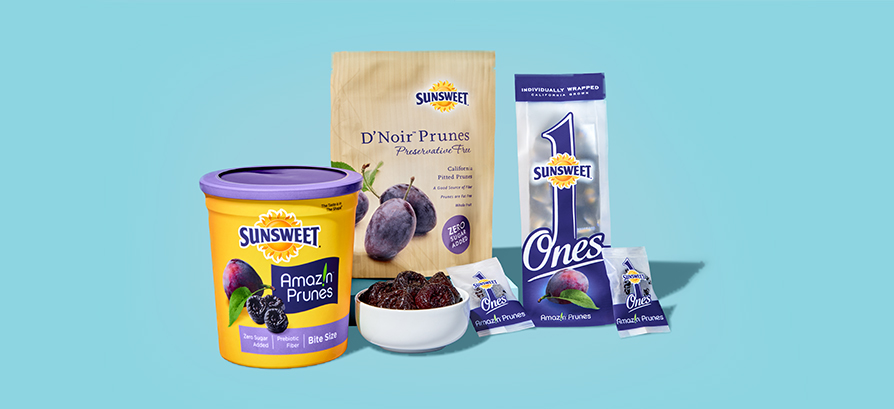
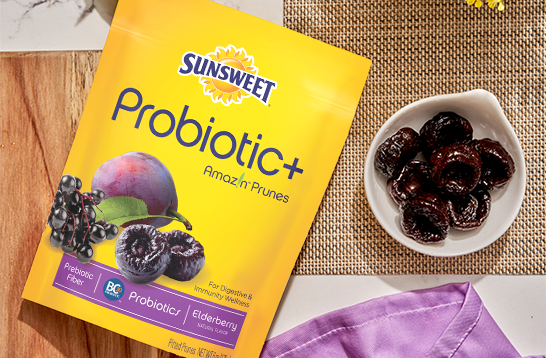
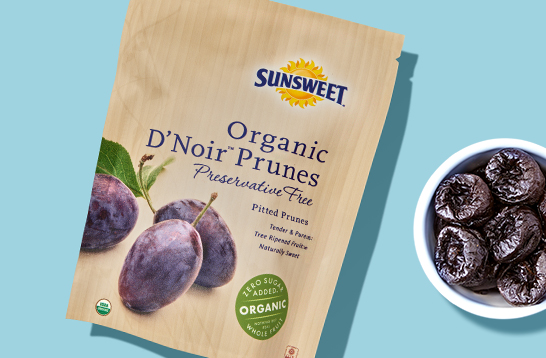
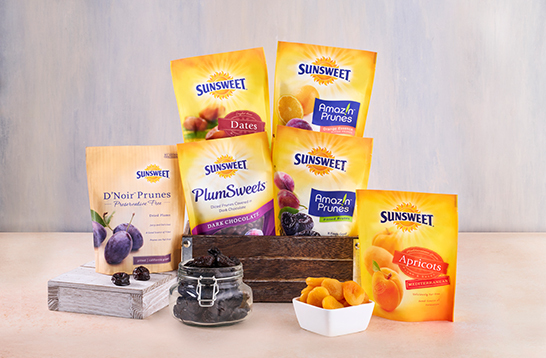
Dried fruits can also be a convenient way to add natural fiber throughout the day. Sunsweet Amaz!n Prunes are a naturally sweet, convenient option that can be enjoyed as a standalone snack or added to meals. With 3 grams of fiber per serving, they offer a simple way to help support everyday digestive balance.
Small steps like these can gradually increase your fiber intake while keeping meals enjoyable and satisfying. Over time, these habits help support the steady rhythm your digestive system relies on.
Explore more guides and everyday tips in the Digestive Wellness Hub and learn more about the benefits of natural fruit fiber. For simple ways to add fiber to everyday meals, visit our recipe hub.
Useful Resources & Further Reading
-
“Dietary Fiber: Essential for a Healthy Diet,” Mayo Clinic
-
“Full of fiber!,” Mount Sinai
-
“Health benefits of dietary fibers vary,” NIH Research Matters
-
“Fiber, Digestion, and Health,” Cornell Health
Stay In The Know
Get info on all of our recipes, updates, and new products—right to your inbox.