







How Digestion Works: Your Digestive System Explained
Digestion is a process your body does every day, yet many people rarely stop to think about how it works. Understanding the digestive process can make it easier to support your body with habits that promote comfort and balance.
At its simplest, digestion is the process your body uses to break down food, absorb nutrients, and move waste through the digestive tract. From the moment you take the first bite of food to the time your body finishes processing a meal, many organs work together to keep this system running smoothly.
While digestion often happens quietly in the background, the way we eat, drink, and move throughout the day can influence how comfortably this process unfolds. Learning the basics can help you recognize what healthy digestion looks like and how small habits can support it.
Overview of How the Digestive System Works
The digestive system is a coordinated pathway that helps your body turn food into the nutrients it needs for energy, strength, and everyday function. This system includes several organs that each play a specific role in moving food along and breaking it down.
When you eat, digestion begins immediately. Your body starts mechanically and chemically breaking food into smaller pieces, gradually extracting nutrients while the remaining material moves through the digestive tract. Along the way, helpful enzymes and digestive fluids support the process of breaking down macronutrients, carbohydrates, proteins, and fats to convert them into energy.
As nutrients are absorbed, the body uses them to support many everyday functions, from maintaining energy levels to helping tissues repair and grow. What remains after nutrients are absorbed continues through the large intestine before eventually leaving the body.
This process is steady and efficient when the digestive system is working in a balanced rhythm.
What Happens in Each Stage of Digestion
Digestion unfolds in several stages, each one contributing to how food is processed and absorbed.
The process begins in the mouth. Chewing breaks food into smaller pieces while enzymes in saliva begin the early stages of digestion. This step helps break down food so it can move easily through the rest of the digestive system.
From there, food travels down the esophagus and enters the stomach. The stomach mixes food with digestive enzymes that help break it down further into smaller molecules. This stage helps prepare nutrients so they can be absorbed later in the process.
Next, partially digested food moves into the small intestine. This is where most nutrient absorption takes place. The small intestine allows vitamins, minerals, and other nutrients to move into the bloodstream so the body can use them where they are needed.
The final stage occurs in the large intestine. Here, the body absorbs remaining water and continues moving waste through the digestive tract. Beneficial bacteria in the large intestine also play a role in supporting digestive balance.
When each stage works smoothly, digestion often feels comfortable and predictable.
How Long Digestion Usually Takes
Many people wonder how long digestion takes after eating a meal. The answer can vary from person to person, but digestion typically unfolds over many hours.
In general, it can take anywhere from about 24 to 72 hours for food to move through the entire digestive system. The early stages of digestion, such as stomach emptying and nutrient absorption in the small intestine, usually occur within several hours after a meal.
The remainder of the process happens more gradually as food continues through the large intestine.
Several factors can influence how quickly digestion moves. The types of foods you eat, how much fiber is included in a meal, hydration levels, physical activity, and daily routines can all affect digestive timing. Because of these differences, digestion rarely follows the exact same schedule every day.
What matters most is that digestion feels comfortable and follows a pattern that feels steady for your body.
How Fiber Supports the Natural Digestive Process
Fiber plays an important role in supporting how smoothly digestion unfolds. Because fiber is not fully broken down during digestion, it moves through the digestive system in ways that help support natural movement and balance.
There are two main types of fiber that contribute to digestive wellness. Soluble fiber dissolves in water and forms a soft gel during digestion. This gentle change can help slow digestion slightly, allowing nutrients to be absorbed at a slower and steadier pace.
Insoluble fiber works differently. It remains more intact as it moves through the digestive tract, adding gentle bulk that helps support regular movement through the intestines.
Together, these two types of fiber help maintain the rhythm your digestive system relies on. Many whole foods naturally contain a mix of both types, making it easier to support digestion through balanced meals.
You can learn more about the difference between these fiber types in our guide to soluble vs. insoluble fiber.
What Can Disrupt Healthy Digestion
Everyday habits can sometimes shift the natural rhythm of digestion. Busy routines, irregular meals, and long periods of sitting can all influence how efficiently the digestive system works.
A low-fiber diet is one common factor. Without enough fiber from fruits, vegetables, whole grains, and legumes, digestion may feel less consistent.
Stress can also influence digestive comfort. The digestive system and the nervous system are closely connected, which means periods of stress may affect how smoothly digestion occurs.
Hydration also plays an important role. When the body does not receive enough water, digestion may slow and feel less comfortable.
The good news is that small adjustments often help support the digestive system’s natural balance.
Simple Ways to Support Healthy Digestion
Supporting digestion often comes down to everyday habits that help your body maintain a steady rhythm.
Drinking water throughout the day helps your digestive system move food comfortably through the digestive tract. Including fiber-rich foods such as fruits, vegetables, whole grains, and legumes can also help support regular digestive patterns.
Gentle movement, like walking after meals or stretching during the day, may also help support natural digestive patterns. Keeping meals at relatively consistent times can further encourage a predictable digestive routine.
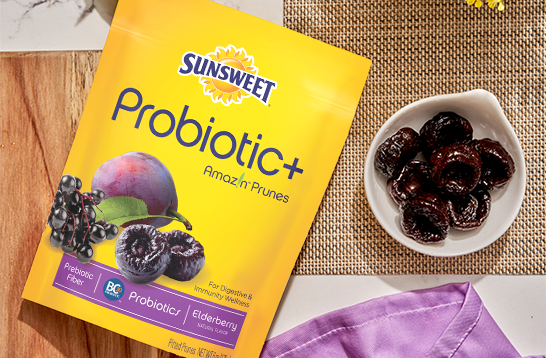
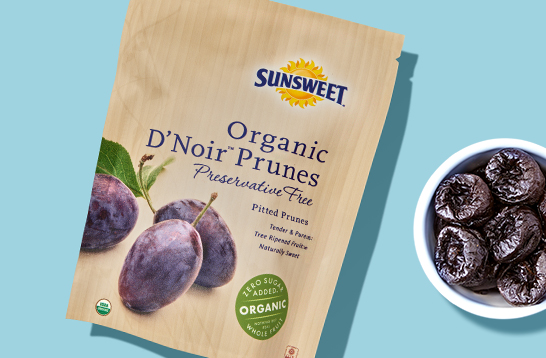
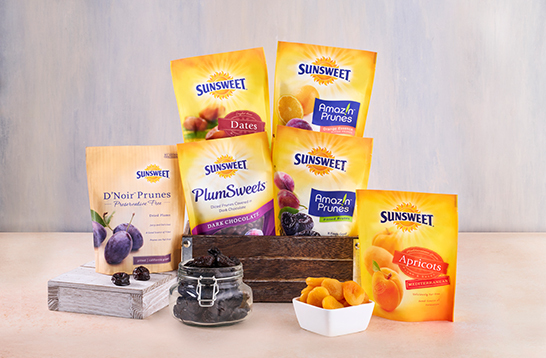
Dried fruits can also provide a convenient source of natural fiber. Sunsweet Amaz!n Prunes are a naturally sweet option that can be enjoyed as a snack or added to meals. With 3 grams of fiber per serving, they offer a simple way to help support everyday digestive balance.
Explore more guides and everyday tips in the Digestive Wellness Hub and learn more about the benefits of natural fruit fiber. For simple meal ideas that include fiber-rich ingredients, visit our recipe hub.
Useful Resources & Further Reading
-
“Digestive System,” Cleveland Clinic
-
“Digestive System: How It Works,” National Institute of Diabetes and Digestive and Kidney Diseases
-
“How Digestion Works,” Johns Hopkins Medicine
-
“Your Digestive System,” WebMD
Stay In The Know
Get info on all of our recipes, updates, and new products—right to your inbox.