














Cooking with Whole Foods for Gut Health
Eating in a way that supports digestion does not have to mean following a strict plan or cutting out a long list of foods. For most people, the path toward better digestive comfort starts with smaller, steadier choices, especially when it comes to the ingredients they cook with most often.
Whole foods are foods that stay close to their natural form, with minimal processing and ingredients you can easily recognize. Cooking with more of them is one of the simplest ways to bring more fiber, nutrients, and balance into everyday meals. The idea is not to be perfect. It is to make a few thoughtful shifts that your body can feel over time.
What Does It Mean to Cook with Whole Foods?
Cooking with whole foods means leaning toward ingredients that have not been heavily processed or refined. Think fruits, vegetables, whole grains, beans, nuts, seeds, and other plant-based staples that look much the same as they did when they were harvested.
This does not require cooking everything from scratch or spending hours in the kitchen. It can be as simple as choosing oats over a sugary cereal, reaching for whole grain bread instead of white, or tossing a handful of vegetables into a dish you already make regularly.
The goal is not a rigid set of rules. It is a general direction. When more of your meals are built around recognizable, minimally processed ingredients, your digestive system often has an easier time doing its job.
Why Simple Food Swaps Can Make a Difference
Small changes in what you cook with can quietly shift how your digestion feels day to day. Whole foods tend to bring more fiber into your meals, and fiber plays a central role in keeping digestion comfortable and consistent. They also offer a wider range of vitamins, minerals, and plant compounds that support overall wellbeing.
You do not need to make every swap at once. Even one or two adjustments to a weekly routine can gradually support a steadier digestive rhythm. Over time, these small choices add up. Meals start to feel more balanced, and digestion often becomes more predictable.
The key is consistency. Your digestive system responds well to regular patterns, adequate hydration, and a steady intake of fiber-rich foods. Whole food swaps make it easier to build those patterns without turning every meal into a project.
Easy Whole Food Swaps to Try in Everyday Meals
The most sustainable swaps are the ones that fit into what you already eat. A few examples that work across different meals and routines:
At breakfast, try swapping flavored instant oatmeal for plain oats topped with fresh fruit or a handful of nuts. Choose whole grain toast over white, or blend a smoothie with real fruit, greens, and a source of fiber rather than reaching for a processed bar.
At lunch or dinner, use brown rice or quinoa in place of white rice. Add a scoop of beans or lentils to soups, grain bowls, or pasta dishes. Build sides around roasted vegetables instead of heavily processed options.
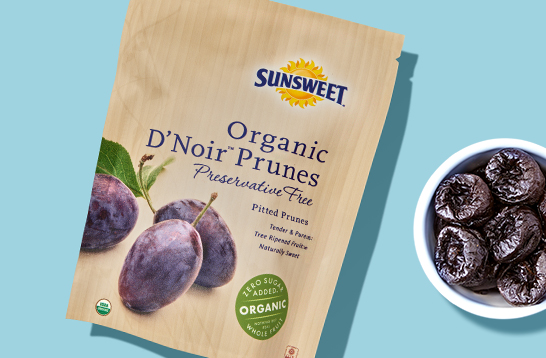
For snacks, choose whole fruit, nuts, or dried fruit like Sunsweet Amaz!n Prunes over packaged snacks with long ingredient lists. These choices bring fiber and nutrients without adding complexity to your day.
None of these require a dramatic shift. They are small, repeatable decisions that make meals a little more supportive of how your body naturally works.
Building Meals That Feel Balanced and Digestive-Friendly
Individual swaps are a great starting point, but how meals come together matters too. A balanced plate that includes fiber, some protein, and a variety of whole food ingredients tends to digest more comfortably than a meal built around a single heavy component.
Pairing fiber-rich whole foods with steady hydration helps everything move through the digestive system at a natural pace. Something as simple as adding oats, beans, or a serving of prunes to your day can help maintain the kind of steady fiber intake your gut benefits from. Eating at relatively consistent times gives your body a rhythm it can rely on, and building variety into your weekly meals helps ensure your gut gets a broad range of nutrients and fiber sources.
This is less about following a formula and more about paying attention. When meals feel balanced and your routine has some consistency, digestion often settles into a steadier, more comfortable pattern.
Whole Food Cooking Can Still Be Simple
One of the most common hesitations around whole food cooking is the assumption that it takes more time, more effort, or more money. In practice, it does not have to.
Keeping a short list of staple ingredients on hand makes weeknight meals easier to pull together. Rice, beans, oats, frozen vegetables, eggs, olive oil, and a few fruits can form the base of dozens of simple, satisfying meals. Repeating a handful of easy recipes throughout the week is a perfectly good strategy. Digestive wellness does not require culinary ambition. It just requires a little consistency.
Batch cooking grains or beans on the weekend, prepping vegetables ahead of time, or even just keeping whole fruit visible on the counter can reduce the friction between intention and action.
A Naturally Sweet Addition to a Balanced Routine
Sunsweet Amaz!n Prunes are a naturally sweet whole fruit with 3 grams of fiber per serving, making them a simple way to reinforce the fiber-forward habits this article is built around. They work well on their own as a snack, chopped into oatmeal or yogurt, or added to recipes where a touch of natural sweetness is welcome.
Because they are a whole food with recognizable ingredients, they fit the same philosophy as the rest of your kitchen staples. Small additions like this can help support the steady digestive balance your body relies on.
Small Changes That Support Everyday Digestive Balance
Better digestive comfort does not come from a single meal or a dramatic reset. It comes from the small, repeatable choices you make across ordinary days. Cooking with a few more whole foods, building meals with balance in mind, staying hydrated, and keeping your routine steady are all things that support the way your body naturally works.
You do not need to change everything at once. Start with one swap, one habit, or one meal that feels manageable. Let your body adjust, and build from there.
For more everyday digestive wellness guidance, explore the Sunsweet Digestive Wellness Hub. You can also learn more about the benefits of prunes and find simple recipe ideas that make it easier to bring fiber-rich whole foods into your routine.
Useful Resources & Further Reading
-
“Dietary fiber: Essential for a healthy diet,” Mayo Clinic
-
“Fiber,” Harvard T.H. Chan School of Public Health
-
“Whole Grains,” Harvard T.H. Chan School of Public Health
-
“Why Is Fiber So Important?,” Cleveland Clinic
Stay In The Know
Get info on all of our recipes, updates, and new products—right to your inbox.